Home / Articles
Velvet Collagen vs. Exosome Booster: Which Rejuvenates Skin Faster?
Home / Articles
Velvet Collagen vs. Exosome Booster: Which Rejuvenates Skin Faster?
In recent years, Korean aesthetic medicine has embraced a surge of innovations promising skin rejuvenation without surgery. Among the most talked-about are "Velvet Collagen" and "Exosome Boosters." Patients come to Gumdan Ewha Hospital in Incheon with a common question: which works faster to rejuvenate tired, aging, or damaged skin? As a hospital blending regenerative and aesthetic medicine under the direction of Dr. Soojin Do, we've had the privilege of testing and observing both treatments in clinical contexts. The answer isn't as simple as choosing one over the other—but understanding how they work can empower you to make the right decision for your skin goals.
To understand these two approaches, we need to look at them not just as products or treatments, but as philosophies of skin care. One is about comfort, surface glow, and maintenance. The other is about repair, cellular signaling, and long-term transformation. Both have a place in modern Korean dermatology—but they serve different purposes and timelines.
Let’s start with the term that often causes confusion: Velvet Collagen. Unlike standardized treatments like Botox or fractional lasers, "Velvet Collagen" is not a medically regulated term. Instead, it generally refers to topical products, masks, or dietary supplements containing hydrolyzed collagen or collagen peptides. The “velvet” descriptor often refers to the silky skin texture users report after application—rather than any specific ingredient or delivery mechanism.
Sheet masks infused with hydrolyzed collagen
Collagen-rich creams claiming to restore elasticity
Collagen peptide drinks or powders marketed for skin and joint health
In our dermatology practice at Gumdan Ewha Hospital, we see many patients who include these products in their home routine. They’re usually drawn to the immediate softness or glow that comes after using a collagen-rich mask. However, it’s crucial to understand that these effects are largely cosmetic and temporary.
These products rely on hydration, occlusion, and possibly mild signaling peptides to create the sensation of smoother skin. But do they reach the dermis, where true skin rejuvenation begins? Not quite.
Provides an immediate smoothing and hydrating effect
Enhances the skin barrier when used regularly
Popular among Korean beauty enthusiasts for home use
Easy to apply, affordable, and non-invasive
Minimal dermal penetration (especially topically)
Requires long-term use for subtle results
Primarily cosmetic, not regenerative
Not regulated or standardized in clinical practice
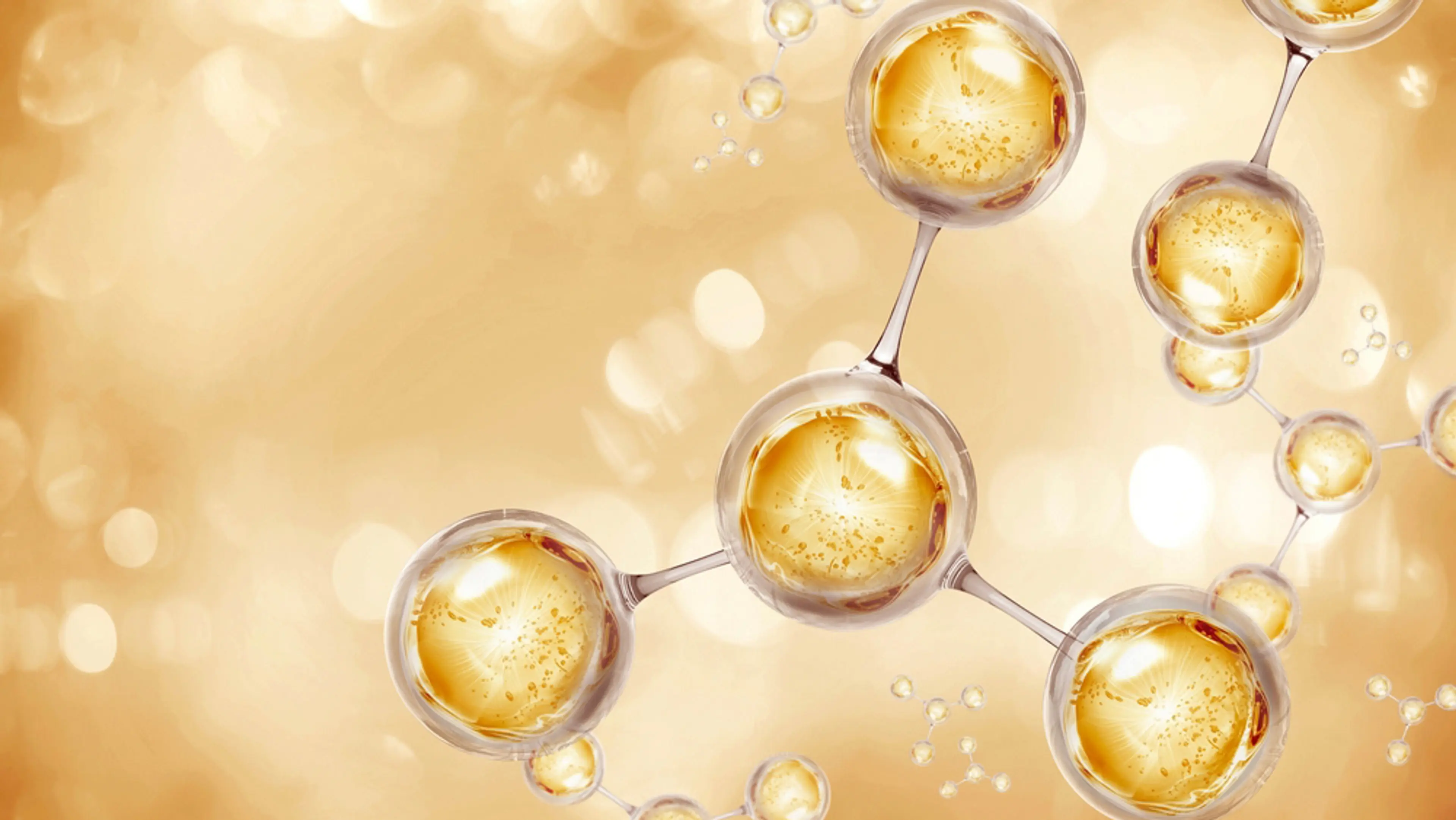
In contrast, Exosome Boosters represent the frontier of regenerative aesthetic medicine. Exosomes are microscopic vesicles secreted by stem cells. They carry proteins, lipids, and genetic material—essentially acting as messengers that tell your cells to regenerate, produce collagen, reduce inflammation, and improve elasticity.
At Gumdan Ewha Hospital, we incorporate exosome boosters in procedures like microneedling, laser therapy, and post-inflammatory repair treatments. Why? Because skin disruption creates channels that allow these regenerative particles to penetrate deep into the dermis, triggering healing and collagen production at the cellular level.
Exosomes work on a completely different level than surface hydration. They talk directly to the skin’s fibroblasts—the cells responsible for creating structural proteins like collagen and elastin. This communication initiates a cascade of repair, much like pressing a reset button on aged or damaged skin.
Accelerates skin recovery post-laser or microneedling
Stimulates collagen and elastin production
Reduces visible signs of aging (wrinkles, sagging)
Enhances tone, texture, and hydration over time
Can be customized for acne scars, pigmentation, or aging
Requires professional application (not a home treatment)
Results take several weeks to emerge
Quality varies by source and formulation
Higher cost compared to topical products
At our clinic, we emphasize sourcing exosomes that are ethically derived and highly purified. There are many “exosome-inspired” products on the market that lack the potency of true clinical-grade exosomes. Patients should be cautious and seek out licensed providers with regenerative medicine expertise.
Unlike Velvet Collagen, exosomes do more than hydrate—they initiate communication within your skin’s architecture, leading to measurable biological changes. This is where true rejuvenation begins—not on the surface, but at the cellular level.
Let’s get to the heart of the question: Which rejuvenates skin faster?
To put it plainly, Velvet Collagen gives you instant gratification, while exosomes build you a better skin foundation over time.
If you’re looking for a quick surface fix for an event, Velvet Collagen may serve as a good cosmetic prep. But if your goal is true skin rejuvenation—repairing age-related damage, reversing sun exposure, or enhancing elasticity—Exosome Boosters offer a science-backed path to deeper, longer-lasting change.
Many patients don’t realize that combining these approaches can be powerful. At our clinic, we sometimes recommend a Velvet Collagen mask after an exosome treatment to soothe the skin barrier. It’s a synergy of comfort and correction.
Our philosophy is based on respecting the skin’s natural healing rhythm. No one solution fits every face. Some patients do best with exosomes alone. Others benefit from alternating with laser treatments, PRP, or collagen-inducing procedures. What matters most is a thoughtful plan, created by a professional who understands both biology and beauty.
Just like building a strong home requires more than a fresh coat of paint, restoring youthful skin requires more than surface hydration. Exosomes work like structural engineers inside your skin—rebuilding what time, stress, or inflammation has broken down.
And if you're a patient who worries that you’re "too late" or “too sensitive” for advanced treatments—don’t. Many of our patients come with reactive skin or a history of failed procedures. That’s exactly why exosomes are so valuable. They calm inflammation while restoring resilience.
The better question may not be which is faster, but which is smarter for your needs.
For superficial softness: Try Velvet Collagen.
For regenerative change: Invest in Exosome Boosters.
For comprehensive results: Let a professional blend both.
At Gumdan Ewha Hospital, we offer tailored treatment plans that honor both innovation and skin integrity. Under Dr. Soojin Do’s care, we focus on precision-based, patient-first therapies—whether you’re managing chronic skin fatigue or simply want to age gracefully.
We’ve treated over 2,000 patients with regenerative and aesthetic procedures, combining technology with touch. And we’ve learned this: Rejuvenation is not just about faster—it’s about smarter, safer, and more sustainable.
If you’re considering non-surgical rejuvenation, explore options like our premium exosome therapy packages. Or simply ask: “What’s best for my skin right now?” We’ll guide you with honesty, expertise, and compassion.