Home / Articles
Is IPL Right for Your Skin? Here’s How It Compares to Pico Fraxel
Home / Articles
Is IPL Right for Your Skin? Here’s How It Compares to Pico Fraxel
"Is IPL good for me? Or should I try Pico or Fraxel instead?"
This guide breaks it down clearly. Whether you're dealing with sunspots, redness, melasma, or acne scars, understanding the nuances between IPL, Pico, and Fraxel can help you make a more confident decision.
Works best for fair-to-medium skin tones.
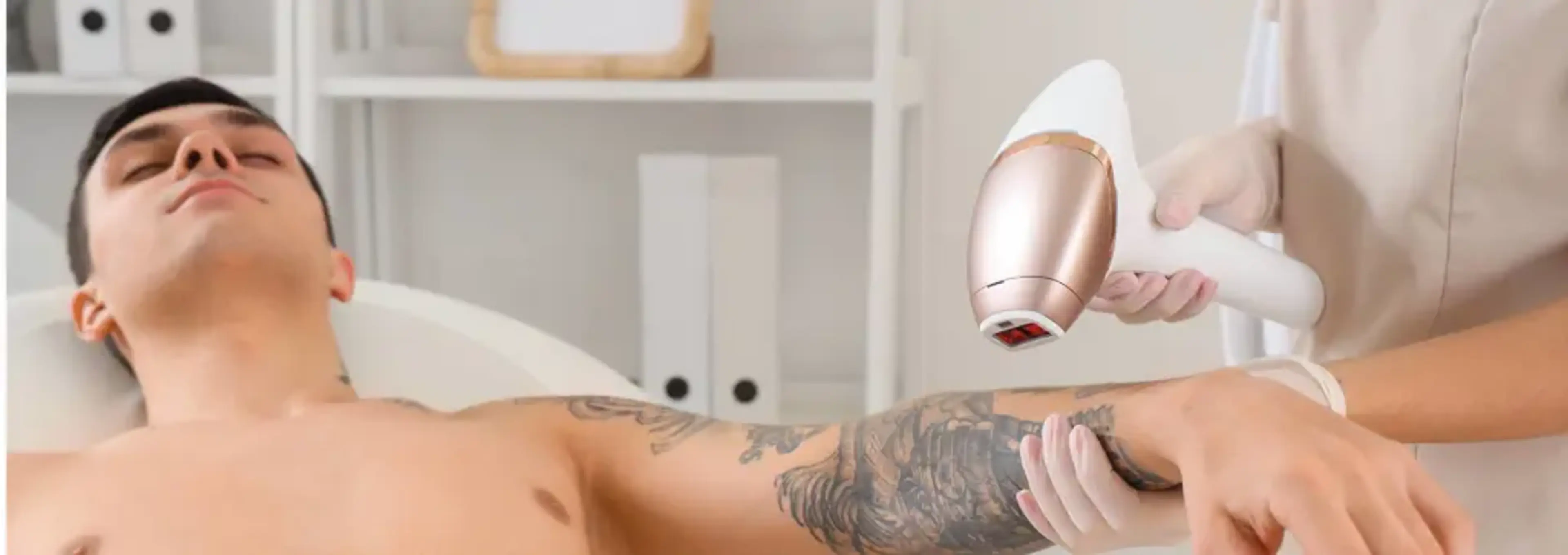
IPL uses multiple wavelengths of light to penetrate the skin and address superficial pigment or vascular concerns. The light energy is absorbed by melanin and hemoglobin, breaking down unwanted pigmentation or coagulating tiny blood vessels without harming surrounding tissue.
Minimal downtime (1–3 days), making it popular for "lunchtime" procedures
Quick sessions with large treatment coverage (face, neck, chest, and hands)
Cost-effective, especially compared to laser alternatives
Non-invasive and generally safe with an experienced provider
Less effective for deep skin issues like acne scars, enlarged pores, or melasma
Not ideal for darker skin tones due to increased risk of post-inflammatory hyperpigmentation (PIH)
Requires multiple sessions (usually 4–6) to achieve optimal results
In clinical practice, IPL is often a first-line treatment for patients seeking brightening and mild rejuvenation. It's a gentle entry point into medical aesthetics, especially for those concerned about downtime.
Comes in several types: non-ablative (gentler) and ablative (deeper).
Fraxel lasers work by treating a "fraction" of the skin at a time, leaving surrounding tissue intact to speed healing. This dual approach allows the skin to repair itself from within while maintaining surface integrity.
Deep collagen stimulation leads to long-term skin remodeling
Dual wavelength systems (like Fraxel DUAL) target both pigmentation and texture simultaneously
Results can last for years with proper maintenance
Moderate downtime (3–7+ days), including redness, peeling, and sun sensitivity
Higher cost per session compared to IPL
Treatment can be uncomfortable; topical numbing and post-care are essential
Pico lasers deliver ultra-short bursts of energy to break down pigment particles and stimulate collagen, all while minimizing heat damage. Unlike traditional Q-switched lasers, the picosecond technology reduces the risk of rebound pigmentation.
Very little to no downtime; most patients resume normal activities immediately
Effective for complex pigment issues, including dermal melasma and post-inflammatory hyperpigmentation
Can be used on the face, neck, chest, and even delicate areas like under the eyes
Less effective for wrinkles, laxity, or texture compared to Fraxel
Higher price point per session due to advanced technology
Multiple treatments are typically needed to fade pigment completely (2–4+)
Pico lasers are highly precise, making them a top choice in Korea for patients who struggle with melasma or pigmentation that returns after IPL or chemical peels.
Feature | IPL | Pico Laser | Fraxel Laser |
|---|---|---|---|
Best For | Redness, sunspots | Melasma, tattoos | Wrinkles, scars, pores |
Depth | Shallow | Superficial | Deep |
Downtime | Low (1–3 days) | None or minimal | Moderate (3–7+ days) |
Skin Tone | Fair to medium | Most tones (including dark) | Most (caution with deep settings) |
Collagen Boost | Mild | Mild | Strong |
Discomfort | Low | Low | Medium to high |
Cost | Low | High | Medium to high |
With over 2,000 successful cases, we’ve developed a layered, results-oriented protocol:
Let’s recap:
Let your skin heal smart — not hard.