Home / Articles
How Often Should You Get a Skin Booster? Doctor-Backed Tips
Home / Articles
How Often Should You Get a Skin Booster? Doctor-Backed Tips
Every week at Gumdan Ewha Hospital in Incheon’s Seo-gu district, we meet patients with one simple request: “Doctor, I just want my skin to look... better.” Not puffier, not fake, not drastically different – just healthier. More glow. Less dullness.
That’s exactly where skin boosters come in.
Skin boosters are one of the most powerful, non-invasive tools we have in modern aesthetic dermatology. Unlike fillers, which sculpt or add volume, skin boosters work at a cellular level to hydrate, smooth, and improve the actual quality of your skin. Think of them as a long drink of water for tired, thirsty skin.
But how often should you get them? Is once enough? Will your skin need them forever? In this article, we’ll walk you through the science, the protocols, and our real-world clinical advice from Gumdan Ewha Hospital — so you can make informed decisions about your skin health. We’ll also include patient-centered stories, cultural context from Korea’s beauty preferences, and expert commentary from Dr. Soojin Do.
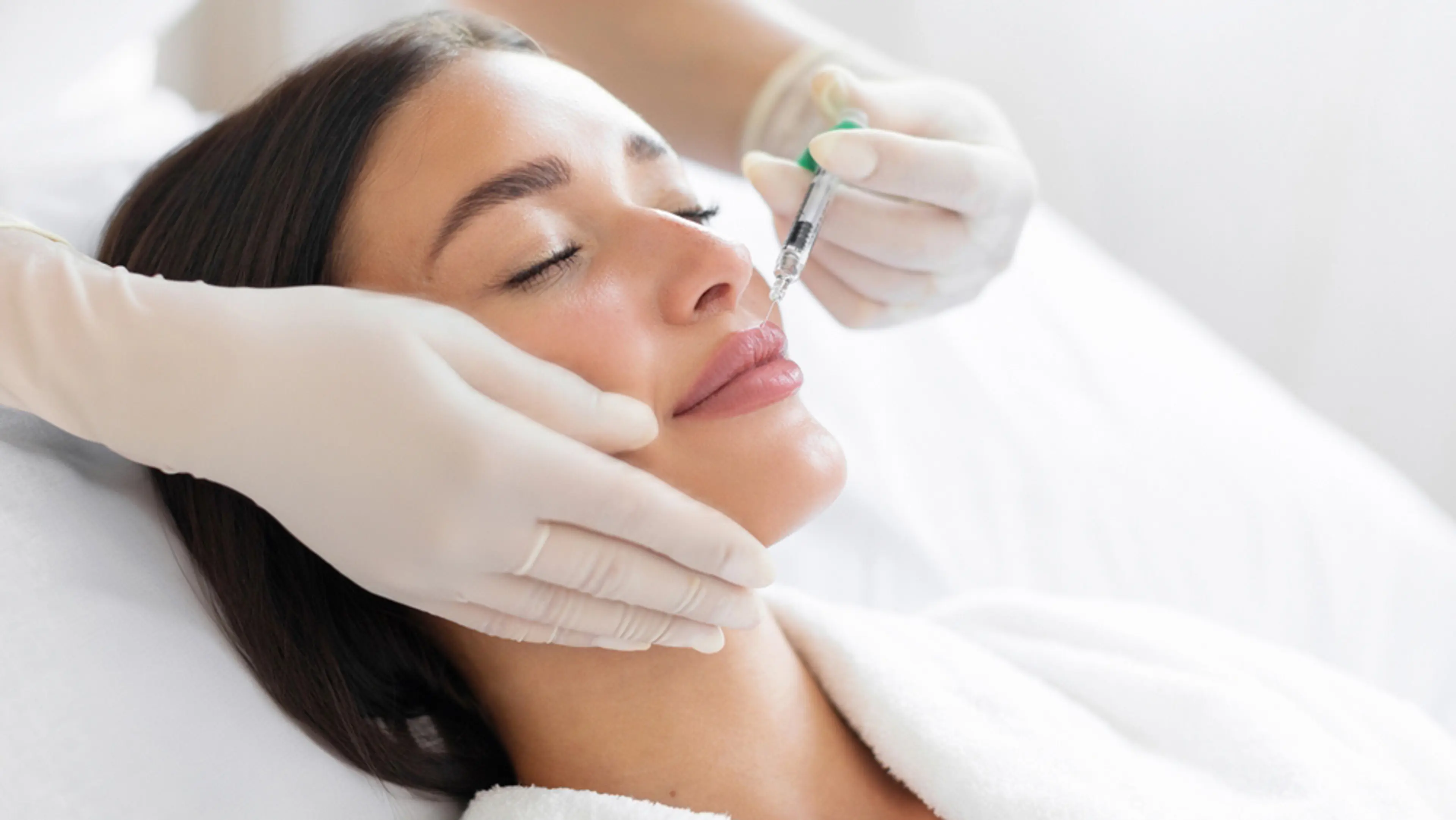
Skin boosters are micro-injections of hyaluronic acid (HA) or regenerative compounds (like amino acids, PDRN, or peptides) that deliver intense hydration and skin repair to the dermal layer. The goal isn’t to "fill" anything – it’s to improve skin texture, elasticity, and hydration from within.
Unlike topical skincare, which often stays on the surface, skin boosters penetrate the middle layers of the skin (the dermis), where collagen and hydration levels matter most. The result? Deep, lasting glow that no cream can replicate.
More radiant, plump skin
Smaller pores
Softer fine lines
Reduced redness or crepiness
One analogy we often use: imagine your skin like a sponge. When dry, it looks dull and crinkled. When hydrated from within, it looks smooth and elastic. Skin boosters act like filling the sponge with water again.
At Gumdan Ewha Hospital, we use advanced delivery techniques with minimal bruising and tailored material selection depending on your age, skin type, and desired outcome. These aren’t one-size-fits-all injections – they’re part of a larger philosophy of skin longevity.
Here’s the short version: Start with 2 to 3 sessions spaced 3 to 4 weeks apart, followed by maintenance sessions every 4 to 9 months depending on your skin type and lifestyle.
Let’s break that down more clearly.
The first 2 to 3 treatments are crucial. They help "load" your skin with hydration and wake up sluggish collagen production.
We recommend 2-3 sessions
Spaced about 3 to 4 weeks apart
This phase is similar to strengthening the foundation of a house. You can paint and decorate all you want, but if the structure underneath is weak, the improvements won’t last.
Many of our patients in their 20s or early 30s notice a difference even after the first session: their skin absorbs less product in daily routines because the hydration level is higher. However, older patients or those with sun damage may require the full series to see a visible transformation.
Once your skin has improved in texture and hydration, maintenance becomes the key.
Think of this like a dental check-up or an oil change. It keeps everything running smoothly before problems arise. Consistency is more important than frequency.
We find that patients with combination skin often benefit from alternating zones—treating the cheeks and forehead more frequently, while spacing out treatments for areas like the jawline or temples.
Younger patients may only need annual maintenance. Those over 40 may benefit from more regular touch-ups due to slower cellular turnover and reduced hyaluronic acid production.
UV radiation, smoking, and pollution speed up skin ageing. If you work outdoors or commute long hours in the sun, more frequent treatments help counteract that stress. Living in high-rise apartments with poor air quality can also contribute to faster skin dehydration.
Some boosters (like slightly cross-linked HA) last longer than others. At Gumdan Ewha, we choose the product based on your longevity needs and skin tolerance.
We often use a combination of:
Each has its own timeline and depth of effect.
Neck, hands, and décolleté skin is thinner and often requires more frequent maintenance than the cheeks or forehead. Korean patients increasingly request under-eye boosters, which require even more precision and conservative spacing.
Every patient at our clinic is assessed for:
Skin hydration levels
Elasticity and pore condition
Inflammation, redness, pigmentation
Lifestyle factors and daily skincare habits
From there, we design a treatment schedule that often looks like this:
Ongoing skincare and sun protection education
Dr. Soojin Do, our Chief Physician, often reminds patients: “The goal is not to chase perfection – it’s to support your skin’s health over time. That’s what gives natural, long-lasting beauty.”
A 34-year-old office worker came to us feeling her skin was “tired and flat.” She had no wrinkles but described her face as looking “dim” even with makeup. After three monthly skin booster treatments combined with gentle LED therapy, her skin reflected light better and needed less foundation. She now returns every 6 months, saying her coworkers keep asking if she changed her skincare brand.
A 47-year-old teacher with dry, mature skin and early jowling was treated with a mixture of skin boosters and thread lifts. Her skin booster sessions are spaced every 4 months, particularly before the dry winter months in Korea.
These are not exceptions – they’re the kind of transformations we aim for every day.
To be honest, many patients think of aesthetic procedures as a one-time fix. But skin, like any organ, thrives on consistent care.
Skin boosters aren’t magic – they’re medicine. Used wisely and at the right frequency, they can help you maintain hydrated, elastic, and naturally radiant skin for years to come.
At Gumdan Ewha Hospital, we don’t just aim for temporary glow. We build long-term skin health using a blend of regenerative medicine, precise techniques, and compassionate care. We take pride in being one of the few aesthetic-forward hospitals in the Geomdan area to offer advanced combination therapy under a fully licensed medical team.
If you’re wondering when to start, how often to continue, or what type of booster is right for your skin, our team led by Dr. Soojin Do is here to guide you.